





Royal History of Himachal Pradesh: Kings, Dynasties & Hill States
Himachal Pradesh is widely known for its snow-covered mountains, peaceful valleys, and spiritual atmosphere, but beyond its natural beauty lies a fascinating royal legacy. The Royal History of Himachal Pradesh is filled with stories of ancient kingdoms, brave rulers, cultural achievements, and architectural wonders that shaped the Himalayan region for centuries.
Before Himachal Pradesh became a modern Indian state, the region was divided into numerous princely kingdoms and hill states ruled by powerful dynasties. These kingdoms not only defended their territories against invasions but also promoted art, culture, trade, and religion. Today, forts, palaces, temples, and traditional artwork still preserve the glorious memories of Himachal’s royal past.
The Ancient Beginnings of Himachal’s Royal Heritage
The roots of the Royal History of Himachal Pradesh go back thousands of years. Ancient texts and local legends mention several Himalayan kingdoms that existed in the region long before modern political boundaries were formed. Many royal families believed they were descendants of legendary rulers mentioned in Hindu epics such as the Mahabharata.
Among the oldest and most respected dynasties was the Katoch Dynasty of Kangra, also known historically as the Trigarta Kingdom. The Katoch rulers are considered one of the oldest surviving royal lineages in the world. According to historical traditions, they fought alongside the Kauravas during the Mahabharata war.
The dynasty ruled the Kangra region for centuries and became known for its military strength, political influence, and cultural patronage. Their legacy still survives through the magnificent Kangra Fort, one of the oldest and largest forts in India.
Kangra Fort and the Legacy of the Katoch Dynasty
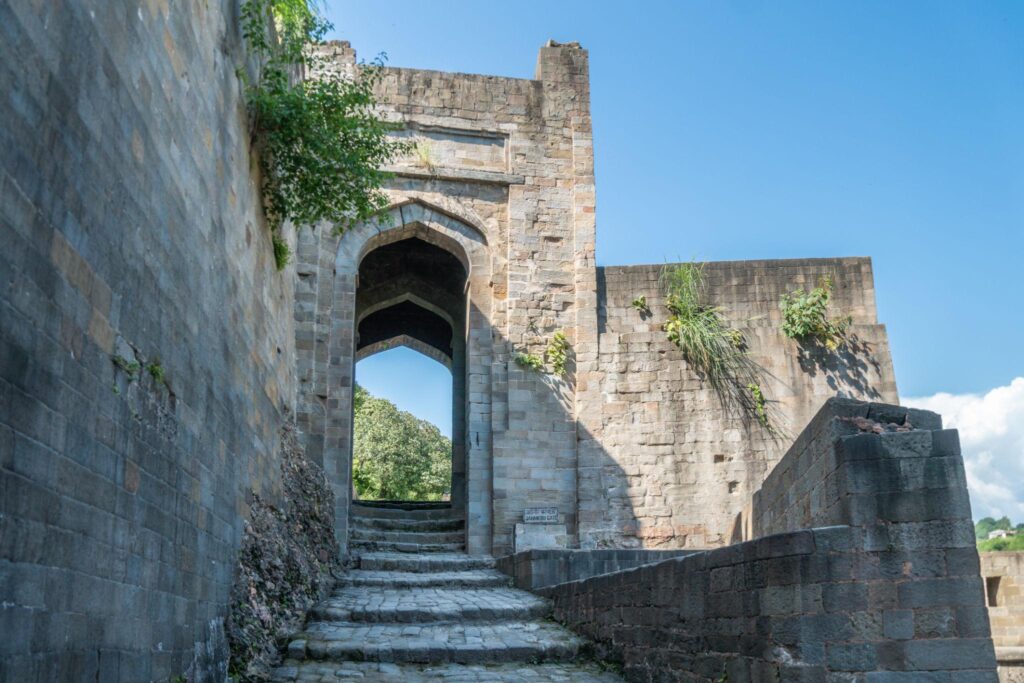
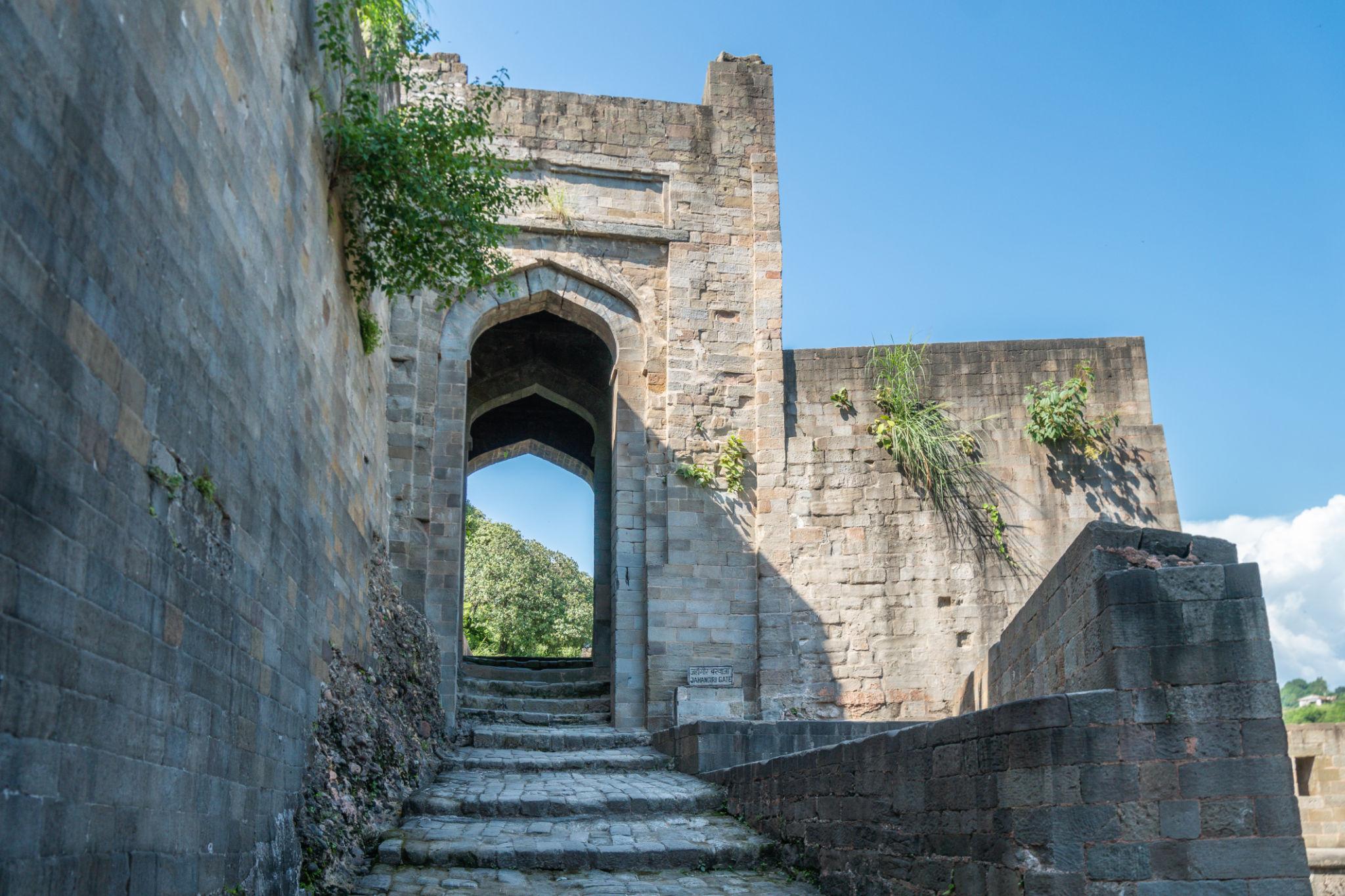
No discussion about the Royal History of Himachal Pradesh is complete without mentioning Kangra Fort. Built strategically on a hill overlooking the Banganga and Manjhi rivers, the fort symbolized the power and prestige of the Katoch rulers.
Over the centuries, Kangra Fort faced multiple invasions from rulers including Mahmud Ghazni, the Delhi Sultanate, the Mughals, and the Gurkhas. Despite repeated attacks, the fort remained an important center of power in the Himalayan region.
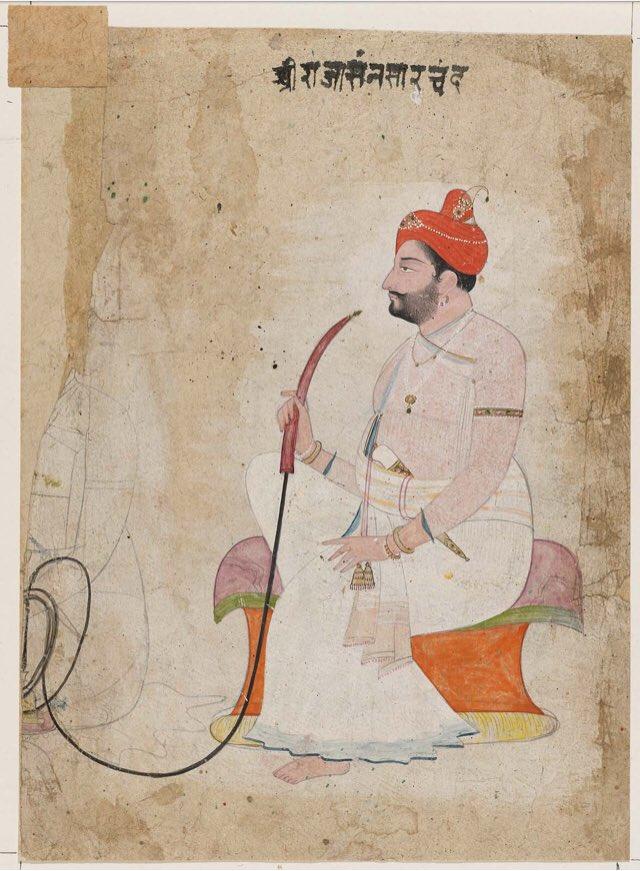
One of the most famous rulers of the Katoch Dynasty was Maharaja Sansar Chand. His reign is often considered the golden period of Kangra’s cultural history. Under his patronage, the famous Kangra school of Pahari miniature painting flourished and gained recognition across India.
The artistic and cultural development during his rule played a major role in shaping the identity of Himachal Pradesh.
The Famous Hill States of Himachal Pradesh
Apart from Kangra, Himachal Pradesh was home to many princely hill states, each with its own royal traditions and governance system. These kingdoms were spread across valleys and mountain ranges, creating a unique political landscape in the Himalayas.
Chamba Kingdom
The Chamba Kingdom was one of the most important regions in the Royal History of Himachal Pradesh. Founded by Raja Maru in the 6th century, Chamba remained geographically isolated for centuries, which helped preserve its rich culture, architecture, and ancient traditions.
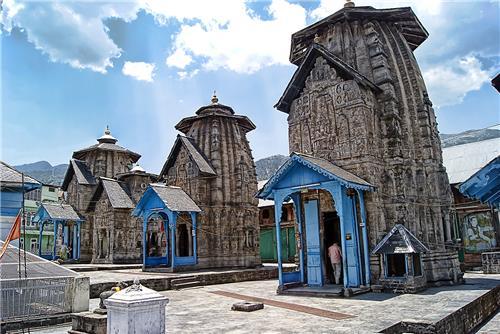
The kingdom became famous for its beautiful temples, ancient inscriptions, and traditional craftsmanship that still reflect the glorious Royal History of Himachal Pradesh. Kings such as Sahil Varman played a major role in the development of the region by constructing temples, promoting art, and supporting religious institutions.
Even today, Chamba is admired for its ancient temples, royal heritage, and deep cultural roots, making it an important destination for travelers interested in the Royal History of Himachal Pradesh.
Bushahr State
Bushahr was one of the most influential hill states in the Shimla region. Located strategically along Indo-Tibetan trade routes, the kingdom gained economic importance through trade with Tibet and neighboring Himalayan regions.
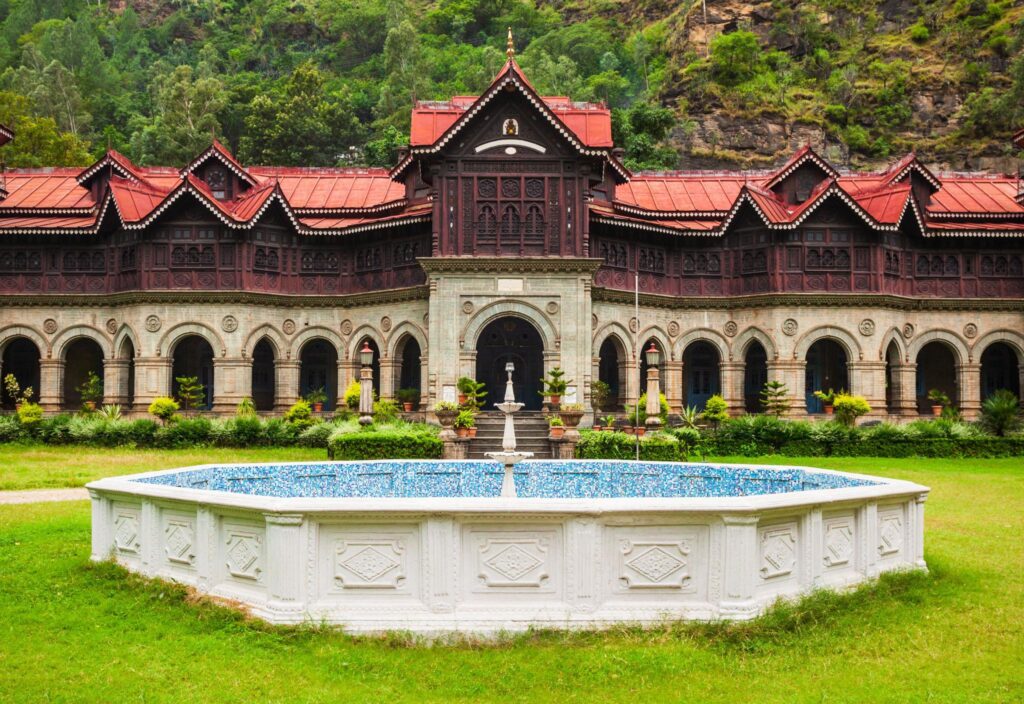
The stunning Padam Palace in Rampur remains one of the most recognizable symbols of Bushahr’s royal history. The rulers of Bushahr maintained diplomatic relations with neighboring kingdoms as well as larger empires.
Kullu Kingdom
The Kullu Kingdom, historically known as Kuluta, also played an important role in the Royal History of Himachal Pradesh. The rulers of Kullu claimed descent from the Pal dynasty and governed an important Himalayan trade route connecting India and Tibet.
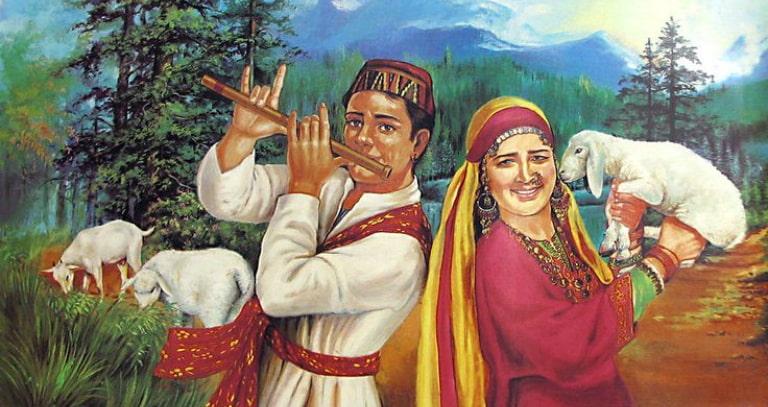
Kullu gradually became known not only for trade but also for its spiritual traditions, temples, and vibrant festivals.
Mughal Influence and Gurkha Invasions
The royal kingdoms of Himachal Pradesh often faced political pressure from larger powers. During the Mughal period, several hill rulers became tributaries of the Mughal Empire while still maintaining limited autonomy in local governance.
Many hill princes visited Mughal courts, and diplomatic alliances became common during this period. However, the mountainous terrain of Himachal Pradesh helped many kingdoms preserve their cultural identity despite external influence.
In the early 19th century, the Gurkhas from Nepal launched aggressive military campaigns across the Himalayan region. Several hill states were captured, and local rulers struggled to protect their territories.
To resist Gurkha expansion, many Himachali kings sought assistance from the British East India Company and the Sikh Empire under Maharaja Ranjit Singh. Eventually, after the Anglo-Gurkha War, the British restored several rulers to their thrones under a protectorate system.
This marked the beginning of British political influence in Himachal Pradesh.
Art, Architecture, and Cultural Achievements
The kings of Himachal Pradesh were not only warriors but also great patrons of art and religion. Under royal patronage, unique forms of architecture, painting, and temple design developed across the Himalayan region.
Pahari Miniature Paintings
One of the greatest contributions of Himachali rulers was the development of Pahari miniature paintings. Artistic schools such as Kangra and Basholi became internationally famous for their delicate artwork, vibrant colors, and depictions of mythology and romance.
These paintings continue to represent the rich artistic traditions of Himachal Pradesh.
Temples and Palaces
Royal families also invested heavily in temple construction and palace architecture. Famous structures such as the rock-cut temples of Masrur, Lakshmi Narayan Temple in Chamba, and various wooden temples across Kullu showcase a blend of Himalayan craftsmanship and religious devotion.
The forts and palaces built by these rulers continue to attract tourists, historians, and photographers from around the world.
Integration into Modern India
The royal era of Himachal Pradesh entered a new phase after India’s independence in 1947. In 1948, around 30 princely states were merged to form the Chief Commissioner’s Province of Himachal Pradesh.
Although royal titles and political powers ended, the cultural influence of these royal families remained deeply connected to local traditions and heritage.
Today, descendants of many royal families continue to participate in cultural events and public life, while their palaces and forts have become important tourist attractions.
Conclusion
The Royal History of Himachal Pradesh is far more than a collection of historical events. It is a story of courage, resilience, diplomacy, culture, and spiritual identity shaped over centuries in the Himalayas.
From the mighty Kangra Fort and the legendary Katoch Dynasty to the peaceful kingdoms of Chamba, Bushahr, and Kullu, every region of Himachal carries a legacy that continues to inspire visitors and historians alike.
The forts, temples, paintings, and royal traditions of Himachal Pradesh remain living symbols of a glorious Himalayan past that still echoes through the mountains today.
FAQs
1. Which is the oldest royal dynasty in Himachal Pradesh?
The Katoch Dynasty of Kangra is considered one of the oldest royal dynasties in Himachal Pradesh and India.
2. Why is Kangra Fort famous?
Kangra Fort is famous for its historical importance, strategic location, and connection with the Katoch rulers.
3. What were the major princely states of Himachal Pradesh?
Major princely states included Kangra, Chamba, Bushahr, Kullu, Mandi, and Bilaspur.
4. What is Pahari painting?
Pahari painting is a traditional miniature art style developed under the patronage of Himachali kings.
5. When was Himachal Pradesh formed?
Himachal Pradesh was formed in 1948 after the integration of princely hill states into India.
6. Who was Maharaja Sansar Chand?
Maharaja Sansar Chand was a famous ruler of the Katoch Dynasty known for promoting art and culture.
7. Why is Himachal Pradesh called Devbhoomi?
Himachal Pradesh is called Devbhoomi because of its ancient temples, spiritual traditions, and deep religious significance.